
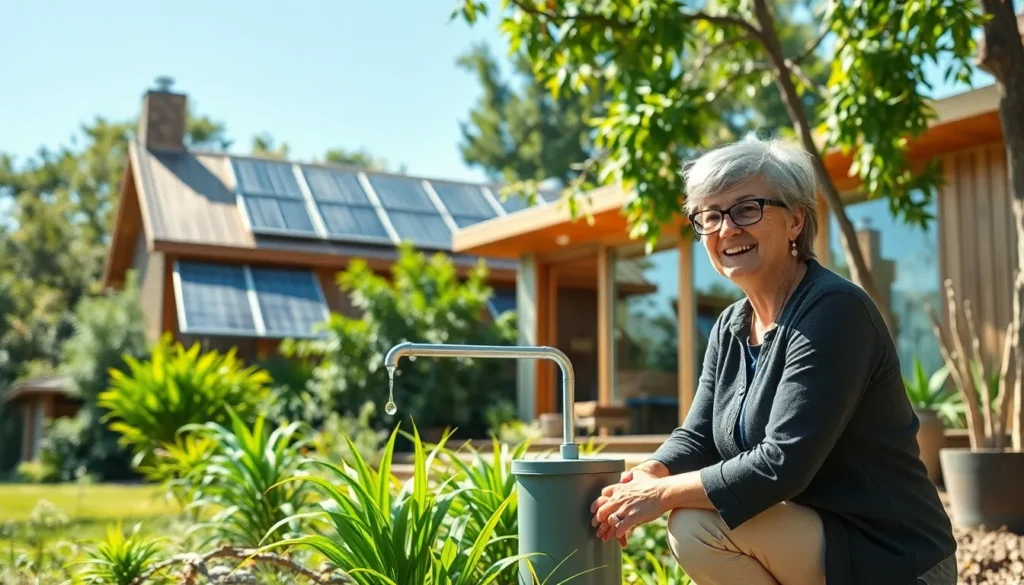
Imagine living in a home that not only looks stunning but also helps save the planet. Sustainable home design isn’t just a trend; it’s a lifestyle choice that combines style, comfort, and eco-friendliness. With a sprinkle of creativity and a dash of innovation, homeowners can create spaces that reduce their carbon footprint while boosting their well-being.
Overview of Sustainable Home Design
Sustainable home design integrates aesthetics with environmental responsibility. It emphasizes energy efficiency and resource conservation, enhancing both comfort and ecological impact. Homeowners utilize various strategies to minimize their carbon footprint, such as using renewable energy sources, efficient insulation, and sustainable materials.
Designing with sustainability in mind involves selecting eco-friendly materials, including bamboo, recycled metal, and reclaimed wood. These choices reduce waste and lower environmental harm. Orientation also plays a critical role; positioning a home to maximize natural light reduces reliance on artificial lighting, saving energy.
Energy-efficient appliances contribute significantly to sustainable living. They consume less electricity, leading to lower utility bills and a reduced environmental impact. Water conservation strategies, like rainwater harvesting and native landscaping, further enhance a home’s sustainability. These practices minimize water use while supporting local ecosystems.
Smart technology can increase efficiency and comfort in a sustainable home. Smart thermostats and lighting systems adapt to occupants’ schedules, optimizing energy use. Incorporating green roofs and living walls improves insulation, supports biodiversity, and captures rainwater.
Sustainable home design also promotes a healthy indoor environment. Using low-VOC paints and materials improves air quality, benefiting both residents and the planet. By prioritizing natural ventilation, homes reduce energy consumption while providing fresh air.
Creating a sustainable home is not just about construction. It involves a holistic approach that includes maintenance and lifestyle choices. Homeowners can commit to sustainable habits that align with their design, further reducing their environmental footprint.
Key Principles of Sustainable Home Design
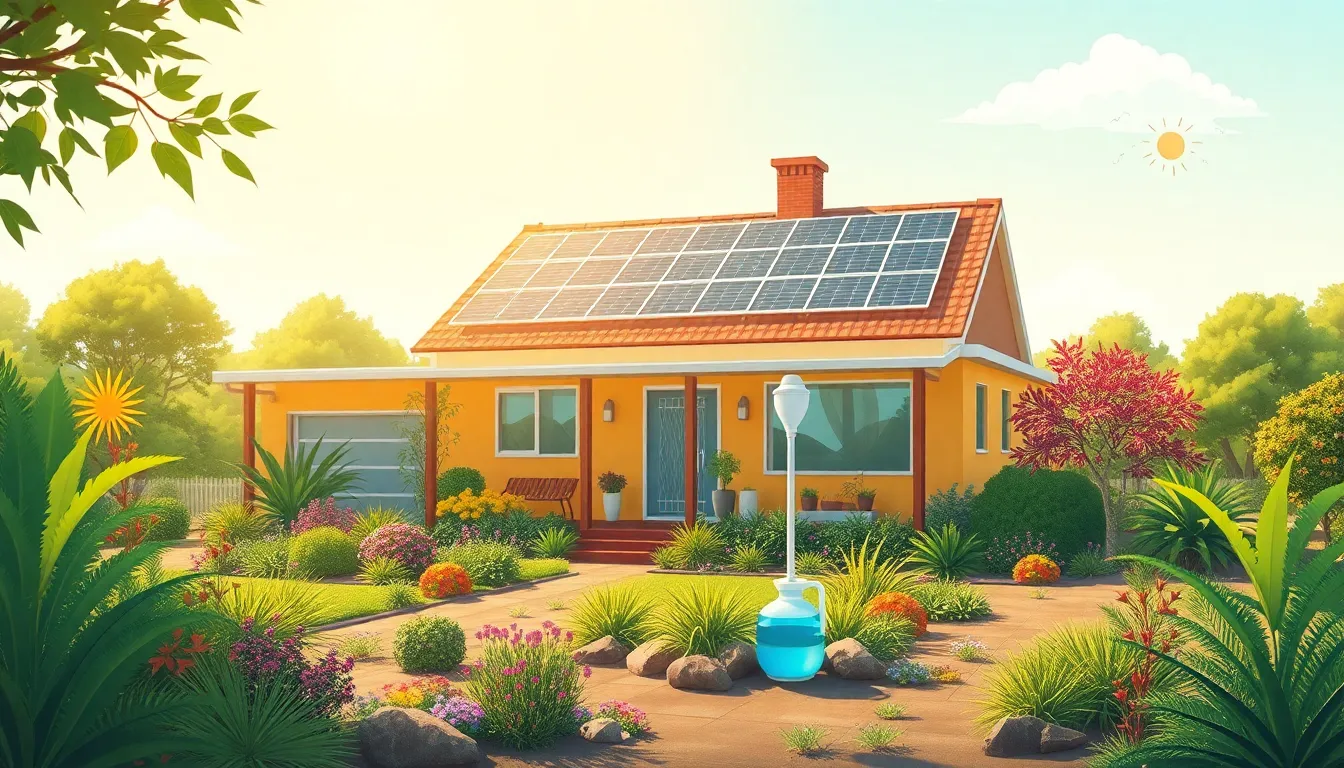
Sustainable home design involves critical strategies that achieve environmental responsibility while enhancing living quality.
Energy Efficiency
Energy efficiency stands as a cornerstone of sustainable homes. Homeowners can use energy-efficient appliances to significantly reduce electricity consumption. These appliances often utilize advanced technology, resulting in lower utility bills and a smaller carbon footprint. Orientation of windows and overhangs can maximize natural light, decreasing reliance on artificial lighting. Insulation measures, like using high-performance windows, contribute to maintaining comfortable indoor temperatures. Together, these elements create a dwelling that conserves energy while providing comfort and functionality.
Water Conservation
Water conservation practices play a vital role in sustainable living. Implementing rainwater harvesting systems allows homeowners to capture and reuse water for landscaping and other non-potable uses. Incorporating native plants into landscaping reduces the need for irrigation, as these species thrive in local climates. Low-flow fixtures and appliances can significantly decrease indoor water usage, leading to lower utility bills. Prioritizing drought-resistant landscaping further supports the reduction of water consumption, fostering healthier ecosystems.
Sustainable Materials
Utilizing sustainable materials is essential for eco-friendly home design. Homeowners can choose materials like bamboo and reclaimed wood, which have a lower environmental impact. Recycled metal and glass also serve as great options, promoting resource conservation. Low-VOC paints and finishes enhance indoor air quality, creating healthier living environments. Sourcing local materials reduces transportation emissions, supporting regional economies. With these choices, sustainable materials foster a harmonious balance between aesthetics and ecological responsibility.
Benefits of Sustainable Home Design
Sustainable home design offers numerous advantages that extend beyond aesthetics. It significantly contributes to environmental preservation and financial savings.
Environmental Impact
Sustainable design practices reduce ecological footprints by promoting efficient resource use. Renewable energy sources, like solar panels, harness natural energy, decreasing reliance on fossil fuels. Strategies, such as rainwater harvesting, collect and utilize rainwater, minimizing water waste. Additionally, using sustainable materials like reclaimed wood and bamboo supports ecosystem health. Promoting natural ventilation and maximizing daylight reduces energy consumption, significantly enhancing overall sustainability. The combination of these strategies fosters a healthier planet for future generations.
Cost Savings
Sustainable home design leads to substantial cost savings through lower utility bills. Energy-efficient appliances consume less electricity, allowing homeowners to save on monthly expenses. Proper insulation and strategic window placement enhance thermal efficiency, reducing heating and cooling costs. Implementing water conservation methods saves money on water bills, while tax incentives for renewable energy installations provide additional financial benefits. In the long term, sustainability not only pays off financially but also increases property value, making it a wise investment.
Challenges in Implementing Sustainable Home Design
Implementing sustainable home design presents various challenges that homeowners and builders often face. One significant hurdle involves the higher upfront costs associated with sustainable materials and energy-efficient technologies. While these investments offer long-term savings, the initial expenses can be a barrier for many.
Accessibility to sustainable materials poses another challenge. Some regions lack suppliers for eco-friendly products, limiting homeowners’ options. Without local resources, sourcing sustainable items can lead to increased transportation emissions and costs, negating some environmental benefits.
Regulatory hurdles also exist. Local building codes may not support innovative sustainable practices or materials. When regulations restrict the use of renewable technologies, homeowners might encounter difficulties in achieving their sustainability goals.
Awareness and education affect decisions too. Many individuals are unaware of the benefits of sustainable design or how to incorporate eco-friendly practices into their homes. A lack of knowledge can lead to missed opportunities for energy savings and improved well-being.
Time constraints often hinder the integration of sustainable practices. Homeowners juggling busy schedules may find it challenging to research and implement eco-friendly solutions. Compounding this issue, some builders lack expertise in sustainable construction, resulting in suboptimal design choices.
Engaging in sustainable home design involves overcoming these obstacles. Networking with knowledgeable professionals and accessing educational resources can empower homeowners to make informed choices. As community awareness grows, so does the potential for creating sustainable living spaces that reflect environmental values.
Innovations in Sustainable Home Design
Innovations in sustainable home design transform living spaces while prioritizing environmental responsibility. Cutting-edge materials, such as high-performance insulation and advanced solar panels, improve energy efficiency significantly. Smart home technologies, like automated lighting and heating systems, enhance convenience while optimizing energy consumption.
Incorporating renewable energy sources, including geothermal and wind, reduces reliance on traditional power grids. Green roofs serve multiple purposes, enhancing insulation while managing stormwater runoff. These features support local wildlife, contributing to biodiversity.
Water-saving fixtures, such as low-flow faucets and dual-flush toilets, minimize water usage effectively. Innovative landscaping techniques, including xeriscaping and permeable pavements, further conserve water while maintaining aesthetic appeal. These strategies promote healthy ecosystems.
Indoor air quality gains importance through the use of natural ventilation systems. Utilization of low-VOC paints and finishes reduces harmful emissions, creating a healthier living environment. It’s crucial to implement these methods thoughtfully to maximize benefits.
Reclaimed materials offer unique character while reducing waste and minimizing environmental impact. Homeowners value the charm of salvaged wood and vintage fixtures in their designs. Opportunities exist to incorporate local materials, fostering community connections while supporting regional economies.
Embracing modular and prefabricated construction methods streamlines build processes, cuts costs, and reduces waste generation. Innovations continue to emerge, making sustainable choices accessible and practical for homeowners. Prioritizing education about these advancements empowers individuals to make informed decisions about their living environments.
Sustainable home design represents a transformative approach to living that balances beauty and environmental stewardship. By adopting innovative strategies and materials, homeowners can create spaces that not only reflect their values but also contribute positively to the planet.
The journey toward sustainability may come with challenges, but the long-term benefits—both financial and ecological—are substantial. Embracing energy efficiency, resource conservation, and smart technologies leads to healthier living environments and a reduced carbon footprint.
As awareness grows and resources become more accessible, sustainable design will continue to evolve, offering even more opportunities for homeowners to make a lasting impact. By prioritizing sustainability in home design, individuals can foster a lifestyle that harmonizes comfort, aesthetics, and responsibility toward the Earth.


