

Imagine a farming method that not only feeds the world but also heals the planet. Enter regenerative agriculture, the superhero of sustainable farming. It’s like giving Mother Nature a big hug while growing delicious crops. This innovative approach goes beyond traditional practices by restoring soil health, boosting biodiversity, and sequestering carbon.
What Is Regenerative Agriculture?
Regenerative agriculture represents a transformative farming approach focused on environmental restoration alongside food production. It strives to improve soil health, promote biodiversity, and enhance ecosystem productivity.
Definition and Principles
Regenerative agriculture involves practices designed to restore and enhance the integrity of ecosystems. Core principles include building soil organic matter, enhancing biodiversity, and implementing crop rotation. Farmers utilize techniques that prioritize soil health, water conservation, and carbon sequestration. This holistic approach strengthens ecosystems, improves resilience, and increases carbon storage in soils. Ultimately, regenerative agriculture aims to create a sustainable agricultural system that nurtures both communities and the environment.
Key Practices
Practices common in regenerative agriculture include cover cropping, reduced tillage, and agroforestry. Cover crops improve soil nutrients and prevent erosion. Reduced tillage maintains soil structure, enhancing moisture retention. Agroforestry integrates trees into farming systems, providing habitat and improving biodiversity. Additionally, rotational grazing optimizes pastures for livestock health while supporting soil regeneration. Each of these practices contributes to a more sustainable, resilient agricultural system.
Benefits of Regenerative Agriculture
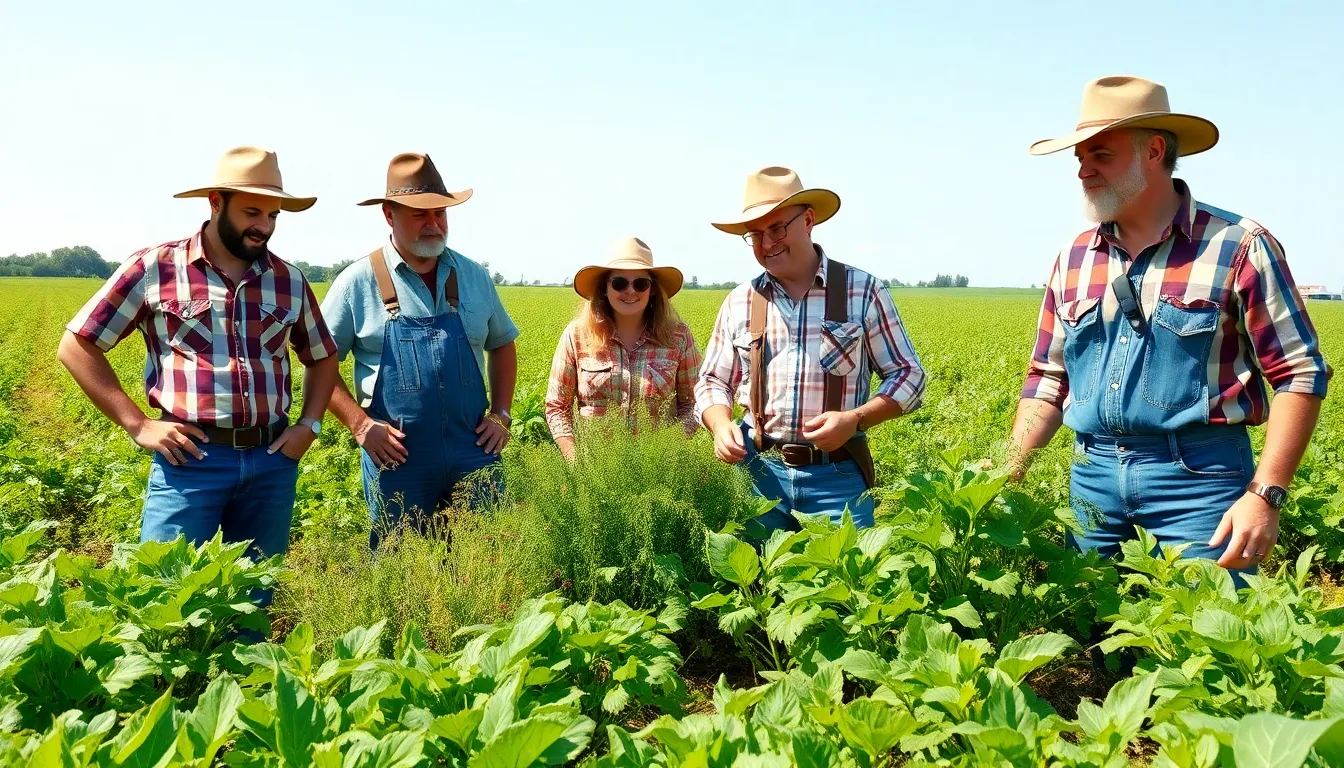
Regenerative agriculture offers various benefits that enhance both environmental health and economic viability.
Environmental Impact
Restoring soil health stands as a primary benefit of regenerative agriculture. Increased soil organic matter fosters nutrient retention, which directly improves crop yields. Biodiversity receives a significant boost through practices like cover cropping and intercropping, creating habitats for beneficial insects and wildlife. Carbon capture is another critical aspect, as healthy soils absorb carbon dioxide from the atmosphere, mitigating climate change. Reduced tillage practices minimize soil erosion, allowing water retention to enhance drought resilience. Ecosystem health thrives through regenerative methods, contributing positively to local water cycles and reducing the need for chemical fertilizers.
Economic Advantages
Profitability improves through regenerative agriculture’s emphasis on efficiency and sustainability. Lower input costs arise from decreased reliance on synthetic fertilizers and pesticides, leading to significant savings for farmers. Crop diversity increases resilience against pests and diseases, which contributes to higher and more stable yields. Markets for organic and sustainably produced goods have expanded, providing farmers with new revenue opportunities. Additionally, healthier soils boost productivity over time, promoting long-term economic benefits. Investing in regenerative practices often yields greater financial returns, supporting farmers’ resilience in the face of market fluctuations.
Challenges and Criticisms
Regenerative agriculture faces several challenges and criticisms despite its potential benefits. Addressing misconceptions and barriers to adoption is crucial for its advancement.
Misconceptions About Regenerative Agriculture
Many individuals misunderstand regenerative agriculture as merely organic farming. This perception overlooks its broader goals, which include enhancing ecosystem health and embracing diverse practices. Some believe success solely depends on specific methods, neglecting the importance of context and local adaptations. Furthermore, a lack of awareness about practices like cover cropping or rotational grazing leads to misconceptions. This gap in knowledge creates skepticism about the effectiveness of regenerative techniques, hindering widespread acceptance.
Barriers to Adoption
Financial constraints frequently hinder farmers from incorporating regenerative practices. Transitioning from conventional methods entails initial investments in soil health and infrastructure improvements. Additionally, limited access to education and resources serves as another significant barrier. Farmers often lack support systems that could guide them through new practices. Market pressures further complicate the situation, as consumers may prioritize price over sustainably produced goods. Inconsistent policy support can create further uncertainty, making farmers hesitant to adopt regenerative agriculture.
Case Studies in Regenerative Agriculture
Case studies demonstrate the effectiveness of regenerative agriculture across various contexts, showcasing successful implementations and valuable lessons learned.
Successful Implementations
Multiple farms across the globe have adopted regenerative practices with remarkable results. A notable example is Polyface Farm in Virginia, where diversified livestock grazing improves soil health and increases biodiversity. The system enhances pasture quality while supporting various crops. Another successful case is Kiss the Ground, a nonprofit organization that promotes soil health through farmer training programs. Their work has demonstrated that regenerative practices enhance yields by an average of 25 percent. These examples illustrate how integrated techniques foster productive ecosystems, generating food sustainably while preserving environmental integrity.
Lessons Learned
Experiences in regenerative agriculture reveal essential insights for farmers and stakeholders. Adaptability to local ecosystems proves crucial for successful implementation. Each farm’s unique conditions dictate tailored approaches, emphasizing the importance of soil health assessments. Engagement with local communities and continuous education fosters a broader understanding of regenerative practices. Financial investment initially poses a challenge, yet long-term savings and profitability often outweigh short-term costs. This dynamic highlights the need for awareness and resources to support farmers transitioning from traditional practices. Observing these lessons ensures effective, lasting change in agricultural methods, benefiting communities and the environment.
Future of Regenerative Agriculture
Regenerative agriculture is set to transform the farming landscape, driven by innovation and supportive policies. Advancements promise a brighter, more sustainable future for food production.
Innovations on the Horizon
Innovations are emerging that enhance regenerative practices. Technologies such as precision agriculture optimize resource use, improving yields while minimizing waste. Drones and sensors monitor crop health in real time, allowing farmers to make informed decisions. Developing soil health analytics tools can guide tailored interventions that maximize productivity. These innovations often empower farmers to adopt regenerative practices more efficiently, increasing their confidence and commitment.
Policies and Support
Policies play a critical role in promoting regenerative agriculture. Government incentives and subsidies encourage farmers to transition from conventional farming methods. Regulations that support carbon credits create financial rewards for those implementing sustainable practices. Additionally, educational programs enhance farmer knowledge about regenerative techniques, ensuring a well-informed community. Collaborative efforts among stakeholders foster a supportive environment that addresses barriers to adoption and cultivates growth within the regenerative agriculture sector.
Regenerative agriculture stands as a beacon of hope for sustainable farming practices. By prioritizing soil health and biodiversity it not only addresses food security but also combats climate change. The path forward involves overcoming challenges through education and supportive policies.
As more farmers embrace regenerative methods the agricultural landscape will evolve toward greater resilience and productivity. Innovations in technology and community engagement will further enhance the effectiveness of these practices.
With a collective commitment to regenerative agriculture the future of farming can be both profitable and environmentally sound. This approach promises to nurture the earth while ensuring that it continues to provide for generations to come.


