

In a world where plastic seems to have a permanent residence in our lives, bamboo products are stepping in like a superhero with a cape made of leaves. These eco-friendly alternatives not only save the planet but also add a touch of natural elegance to everyday items. If you think bamboo is just for pandas, think again! It’s time to explore how this versatile grass can replace everything from your toothbrush to your straws.
Imagine sipping your morning smoothie through a straw that’s as sustainable as it is stylish. Bamboo products aren’t just good for the environment; they’re also a conversation starter. Who wouldn’t want to brag about their eco-chic lifestyle? Join the bamboo revolution and discover how making the switch can be both fun and fashionable.
Overview of Bamboo Product Alternatives
Numerous alternatives to bamboo products exist, providing eco-conscious options for consumers. Wooden products serve as a sustainable choice, crafted from responsibly sourced materials. Recycled plastics also offer a practical option by repurposing waste into functional items, reducing landfill accumulation.
Natural fiber-based products like hemp or jute stand out for items such as bags and textiles. These fibers not only boast durability but also showcase a unique aesthetic appeal. Additionally, palm leaf products serve as single-use alternatives, ideal for dining and entertaining.
Metal items, especially stainless steel, provide long-lasting alternatives to bamboo counterparts. They excel in durability, offering reusable containers and utensils that withstand various conditions. Glass products reinforce sustainability and can be used for food and beverage storage, featuring stylish designs.
Silicone alternatives cater to kitchenware needs with versatility and longevity. Their heat-resistant properties and flexibility make them practical for baking and cooking. Further, biodegradable options like cornstarch-based materials ensure functions similar to plastic without environmental harm.
When considering alternatives, ethical sourcing and production methods play significant roles. Consumers are actively seeking transparency about materials and practices behind various products. Bamboo alternatives demonstrate commitment to sustainability while catering to modern preferences in style and functionality.
Benefits of Bamboo Products

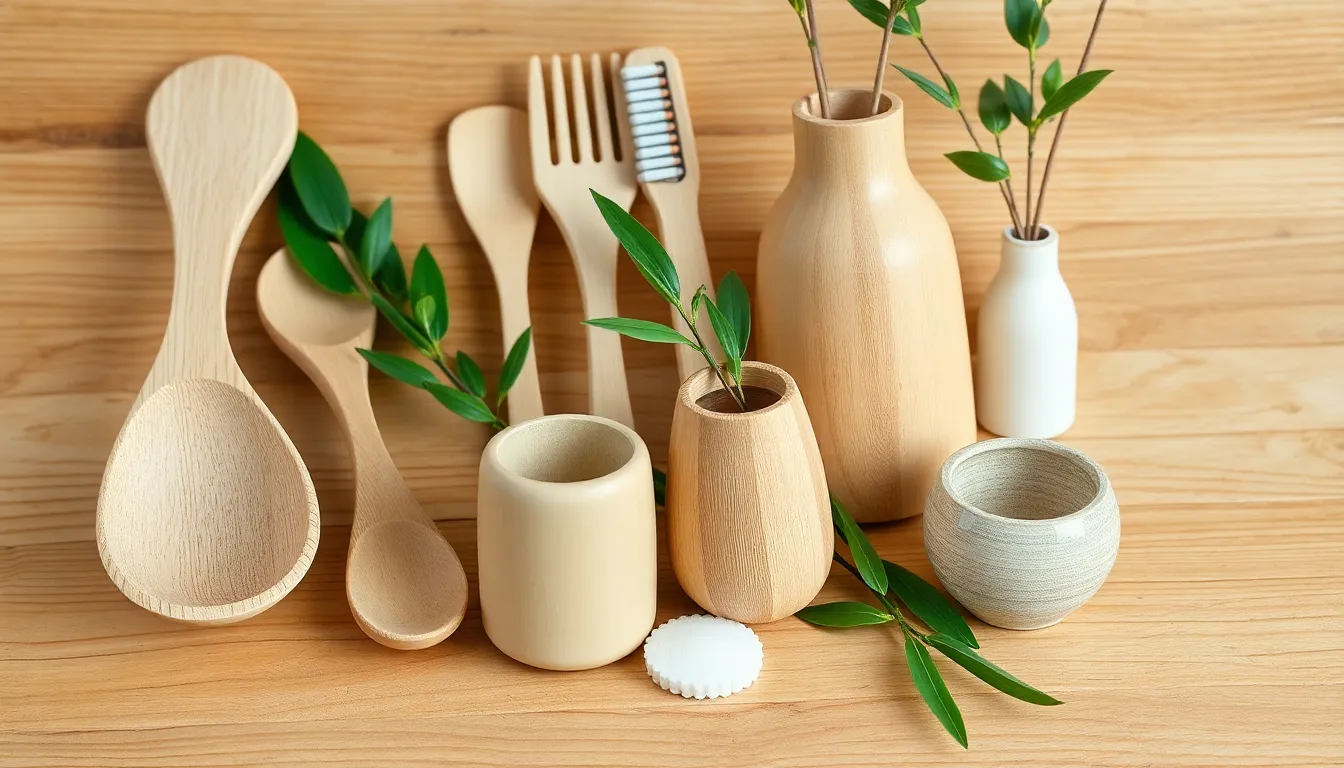
Bamboo products offer significant advantages, especially in sustainability and health. These benefits contribute to their growing popularity among eco-conscious consumers.
Sustainability and Eco-Friendliness
Bamboo grows rapidly, reaching maturity in three to five years. This fast growth makes it a renewable resource that requires less water than traditional crops such as cotton. Bamboo also absorbs carbon dioxide, releasing oxygen, which helps combat climate change. Its cultivation often benefits the soil, reducing erosion and enhancing biodiversity. With minimal use of pesticides or fertilizers, bamboo farming supports healthier ecosystems. These factors position bamboo as a highly sustainable alternative to materials like plastic or non-organic fibers.
Health and Safety Advantages
Bamboo possesses natural antibacterial properties that inhibit bacterial growth. This quality makes bamboo products safer for everyday use, particularly in kitchenware and personal items. Additionally, bamboo’s hypoallergenic nature reduces the risk of skin irritation for sensitive individuals. Many bamboo products, including toothbrushes and kitchen utensils, lack harmful chemicals often found in plastics. Using bamboo enhances safety while offering a stylish option for eco-conscious consumers. These health benefits strengthen the case for transitioning to bamboo over less safe alternatives.
Popular Bamboo Product Alternatives
Various alternatives to bamboo products exist, providing eco-friendly options for consumers looking to make sustainable choices. Here are some popular bamboo product alternatives.
Bamboo Toothbrushes
Bamboo toothbrushes offer an excellent alternative to plastic options. Made from sustainably harvested bamboo, their handles are biodegradable and natural. Nylon bristles ensure effective cleaning while minimizing environmental impact. Some brands even offer compostable packaging, further enhancing sustainability. Many users appreciate the ergonomics of bamboo toothbrushes and their ability to reduce plastic waste significantly.
Bamboo Cutlery Sets
Bamboo cutlery sets provide a stylish solution for dining on the go. These sets typically include forks, knives, and spoons, all crafted from renewable bamboo. Lightweight and durable, they work well for picnics or everyday use. Many consumers value the eco-friendly nature of bamboo cutlery, particularly in contrast to single-use plastic alternatives. Different designs and finishes cater to various tastes, making them an appealing choice for any lifestyle.
Bamboo Clothing
Bamboo clothing serves as a sustainable fashion option with multiple benefits. Fabrics derived from bamboo are soft and breathable, offering comfort for everyday wear. Natural moisture-wicking properties help keep the skin dry, while the hypoallergenic nature ensures safety for sensitive skin. Additionally, bamboo cultivation requires less water compared to cotton, promoting more sustainable textile production. As eco-conscious consumers grow in number, bamboo clothing continues to gain popularity for its environmental advantages and stylish appeal.
Comparing Bamboo to Other Eco-Friendly Materials
Bamboo offers unique advantages among eco-friendly materials, making it essential to examine alternatives.
Organic Cotton
Organic cotton represents a widely recognized sustainable textile. It comes from non-GMO plants grown without harmful pesticides and fertilizers. This cultivation method preserves soil quality and reduces water usage compared to conventional cotton farming. Additionally, organic cotton is biodegradable, offering a safe disposal option. Consumers who prioritize a softer feel and breathability often choose organic cotton for clothing and textiles. While bamboo clothing provides moisture-wicking properties, organic cotton remains an excellent choice for those seeking comfort without compromising environmental integrity.
Recycled Plastics
Recycled plastics serve as a strong contender to bamboo products. Utilizing waste materials minimizes landfill contributions and lessens resource extraction. Through an efficient recycling process, these plastics become durable items, from containers to household goods. Manufacturers transform single-use plastics into valuable products, supporting a circular economy. Although recycled plastics lack bamboo’s natural antibacterial properties, their versatility makes them appealing for various applications. As consumers seek alternatives, recycled plastics effectively contribute to sustainability efforts while accommodating daily needs.
Exploring bamboo product alternatives reveals a wealth of eco-friendly options that align with sustainable living. By opting for materials like responsibly sourced wood, recycled plastics, and natural fibers, consumers can make choices that benefit the planet while enhancing their daily lives.
The versatility of these alternatives ensures that individuals can find stylish and functional replacements for traditional items. As awareness of environmental issues grows, embracing these alternatives not only supports a healthier ecosystem but also promotes transparency in sourcing and production.
Choosing bamboo and its alternatives is a step toward a more sustainable future. Each small change contributes to a larger movement, encouraging a lifestyle that prioritizes both style and environmental responsibility.


