
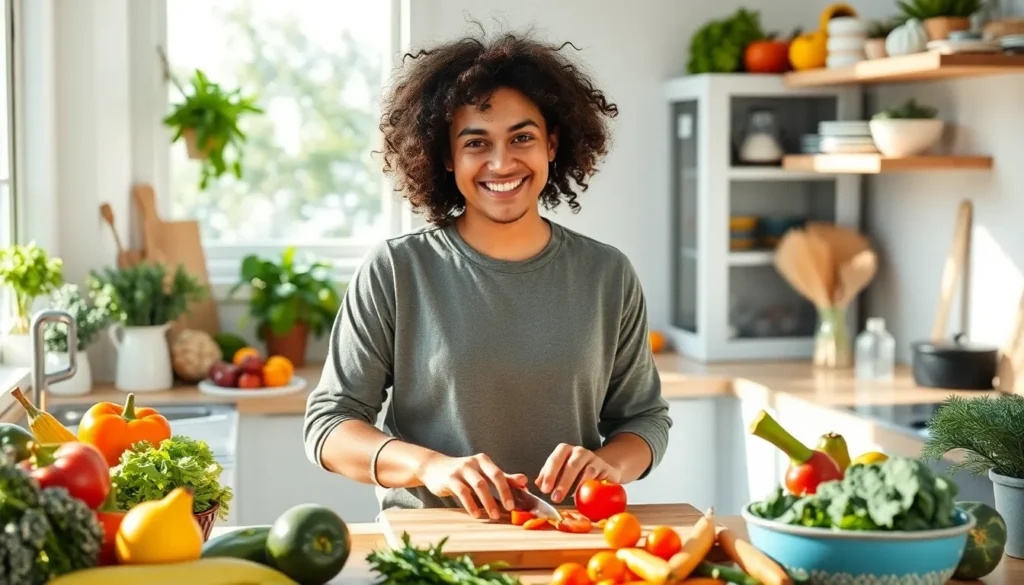
In a world where food choices can feel overwhelming, green cooking emerges as the superhero we didn’t know we needed. Imagine whipping up delicious meals while saving the planet—it’s like a culinary magic trick! By embracing sustainable practices, anyone can transform their kitchen into an eco-friendly haven.
What Is Green Cooking?
Green cooking refers to the practice of preparing meals in ways that promote environmental sustainability. This approach prioritizes techniques and ingredients that reduce carbon footprints. Adopting green cooking methods can lead to healthier eating habits while minimizing waste, energy use, and pollution.
Choosing locally sourced ingredients plays a crucial role in green cooking. By supporting local farmers and reducing transportation emissions, individuals contribute to a more sustainable food system. Seasonal produce offers freshness and often requires fewer resources to grow, making it an ideal choice for eco-friendly meals.
Utilizing energy-efficient appliances enhances an eco-conscious kitchen. Induction cooktops, for example, use less energy compared to traditional gas stoves. Opting for pressure cookers also speeds up cooking times, reducing overall energy consumption.
Reducing food waste is another vital component of green cooking. Implementing strategies like meal planning and choosing reusable containers helps minimize discarded food. Composting kitchen scraps transforms waste into valuable nutrients for gardening.
Exploring plant-based meals supports environmental goals as well. Plant-based diets typically require fewer resources and create lower greenhouse gas emissions compared to diets that include large amounts of meat. Including more vegetarian or vegan meals into weekly plans fosters a sustainable lifestyle.
Ultimately, green cooking combines culinary creativity with environmental responsibility. This practice transforms everyday cooking into an opportunity to make positive changes for the planet. Embracing these strategies can lead to a healthier lifestyle while ensuring future generations enjoy a thriving environment.
Benefits of Green Cooking

Green cooking offers significant advantages for both the environment and health. This approach not only enhances culinary practices but also promotes sustainability.
Environmental Impact
Implementing green cooking methods reduces environmental footprints. Choosing locally sourced ingredients lowers transportation emissions, directly benefiting air quality. Energy-efficient appliances consume less electricity, decreasing overall energy use. Composting food scraps minimizes waste, creating natural fertilizer that enriches soils. Prioritizing plant-based meals requires fewer resources, leading to lower greenhouse gas emissions. Incorporating these practices fosters a more sustainable lifestyle while protecting natural ecosystems.
Health Benefits
Engaging in green cooking improves overall health. Utilizing fresh, whole ingredients enhances nutrient intake, promoting better digestion and energy levels. Plant-based diets reduce risks associated with chronic diseases, including heart disease and diabetes. Cooking with less processed food fosters a balanced diet that supports weight management. Additionally, preparing meals at home encourages mindful eating habits, decreasing the likelihood of overeating. Embracing these practices leads to healthier choices that benefit both individuals and the planet.
Techniques for Green Cooking
Green cooking employs various techniques that enhance sustainability and minimize environmental impact. Energy-efficient methods and the use of sustainable ingredients significantly contribute to these goals.
Energy-Efficient Cooking Methods
Utilizing energy-efficient cooking methods reduces energy usage while preparing meals. Slow cookers consume less energy than traditional ovens, making them an excellent choice. Induction cooktops heat pots directly, leading to faster cooking times and lower energy consumption. Steaming vegetables retains more nutrients and uses less water, ensuring efficient energy usage. Choosing pressure cookers also facilitates quicker meal preparation with minimal energy expenditure.
Using Sustainable Ingredients
Sourcing sustainable ingredients fosters environmental responsibility. Locally sourced produce supports local economies and decreases transportation emissions. Organic ingredients often employ farming practices that protect ecosystems and improve soil health. Seasonal ingredients provide freshness and taste while aligning with natural growing cycles. Opting for plant-based proteins, such as beans and lentils, requires fewer resources than animal products, promoting a lower carbon footprint.
Equipment for Green Cooking
Green cooking relies on specific equipment that enhances sustainability and efficiency in the kitchen. Utilizing appropriate tools can make a significant impact on both cooking practices and environmental footprints.
Eco-Friendly Cookware
Eco-friendly cookware promotes healthier meals while minimizing environmental impact. Options include stainless steel, cast iron, and non-toxic ceramic. These materials provide durability and reduce the need for frequent replacements. Choosing cookware that is free from harmful chemicals ensures safer food preparation. Additionally, using pots and pans with high heat retention can lower energy usage during cooking. Manufacturers that prioritize eco-friendly materials are becoming more common, making it easier for individuals to make sustainable choices in their kitchens.
Energy-Saving Appliances
Energy-saving appliances dramatically reduce energy consumption in the kitchen. Induction cooktops, for example, are noted for their efficiency, heating food faster than traditional options. Slow cookers and pressure cookers also save energy while allowing for tender, flavorful meals. Many modern refrigerators are designed with energy-efficient features that cut electricity use. Dishwashers with eco-settings can minimize water and energy while ensuring effective cleaning. By incorporating these appliances, households decrease their carbon footprints and support broader environmental goals.
Embracing green cooking not only enhances culinary experiences but also fosters a sustainable lifestyle. By making mindful choices in the kitchen, individuals can contribute to environmental well-being while enjoying nutritious meals.
Sourcing local ingredients and utilizing energy-efficient appliances are simple yet effective ways to reduce one’s carbon footprint. The shift towards plant-based diets further amplifies these benefits, supporting both health and the planet.
As more people adopt these practices, the collective impact can lead to significant positive changes for future generations. Green cooking transforms everyday routines into opportunities for environmental stewardship and personal wellness.


