
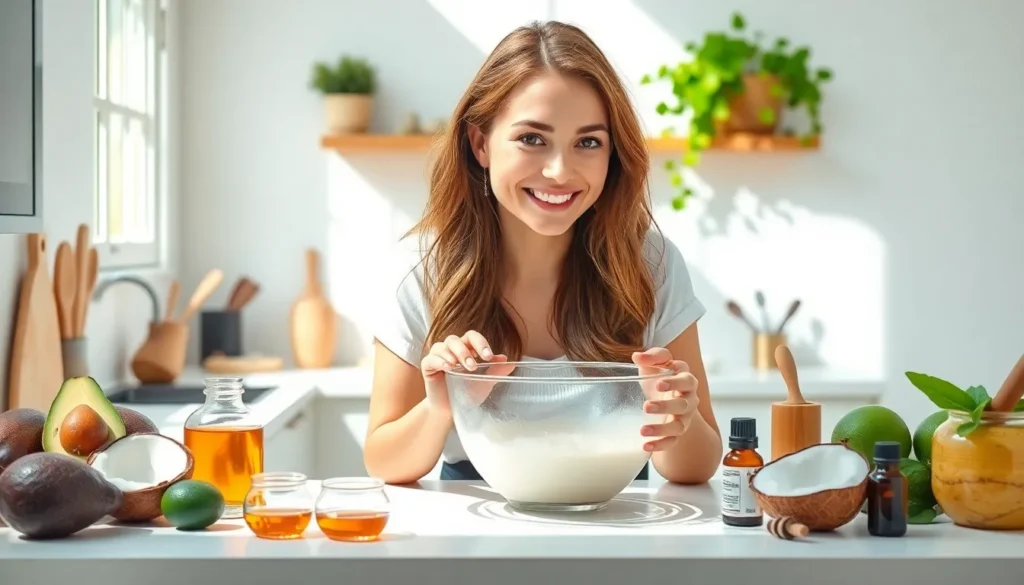
In a world where beauty products often come with a side of unpronounceable ingredients, it’s time to embrace the power of nature. Natural skincare recipes offer a delightful escape from the chemical chaos lurking in most store-bought items. Imagine slathering on a face mask made from ingredients you can actually pronounce—like honey, avocado, and a sprinkle of magic.
Benefits of Natural Skincare Recipes
Natural skincare recipes offer several advantages over conventional products. They frequently incorporate simple ingredients known for their effectiveness and safety.
Nourishing Ingredients
Natural skincare relies on nourishing ingredients like coconut oil, shea butter, and essential oils. These components provide hydration, promote skin healing, and support overall skin health. Natural items generally avoid synthetic additives and preservatives. Ingredients sourced from nature often hold beneficial properties like anti-inflammatory and antibacterial effects. For instance, aloe vera helps soothe sunburn while honey acts as a natural humectant. Many individuals experience fewer allergic reactions with homemade products, making them an attractive option.
Environmental Impact
Natural skincare reduces harmful environmental effects associated with mass-produced beauty products. Manufacturing conventional cosmetics typically involves chemicals and extensive packaging that contribute to pollution. In contrast, natural recipes promote sustainability by using biodegradable ingredients and recyclable packaging. Sourcing ingredients locally further minimizes carbon footprints. Switching to natural recipes often leads to a reduction in waste and supports eco-friendly practices. As more individuals choose natural options, the demand for environmentally responsible ingredients increases, benefiting the planet.
Popular Natural Skincare Ingredients
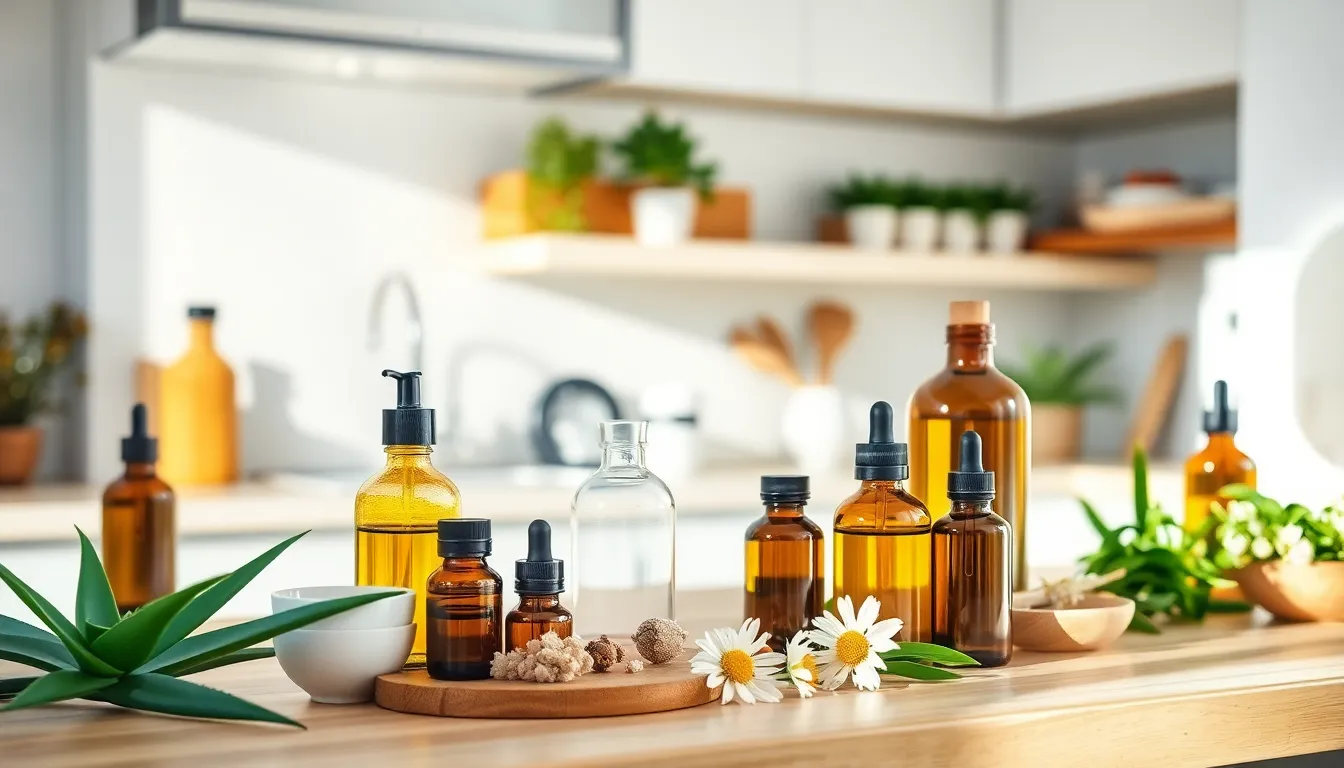
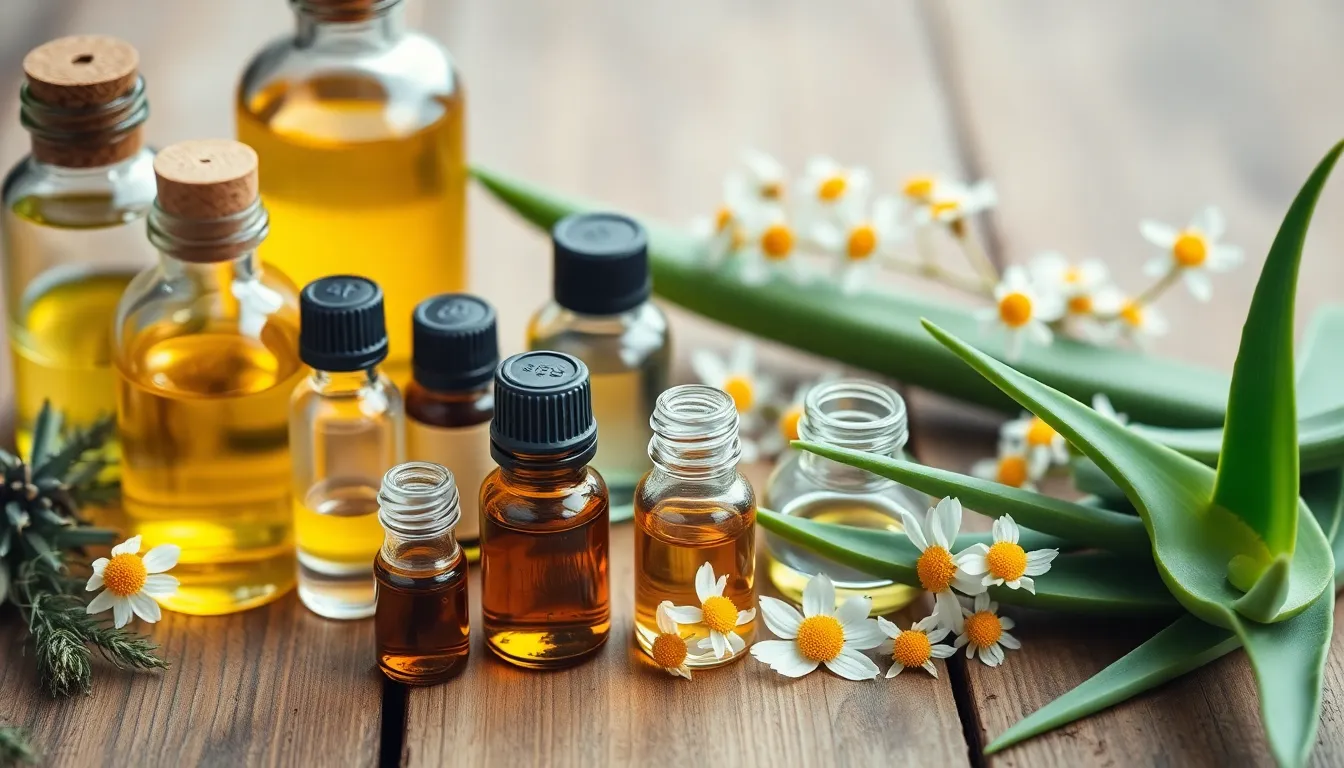
Natural skincare relies on high-quality ingredients that benefit skin health and enhance beauty. Ingredients like essential oils, carrier oils, and herbal extracts play significant roles in skincare formulations.
Essential Oils
Essential oils deliver aromatic properties along with therapeutic benefits. Lavender oil promotes relaxation and soothes irritated skin. Tea tree oil possesses antimicrobial properties that combat blemishes. Using essential oils in moderation is key, as their potency requires dilution before application.
Carrier Oils
Carrier oils act as the base for blending essential oils and provide hydration. Jojoba oil closely resembles skin’s natural sebum, making it an effective moisturizer. Sweet almond oil nourishes and is suitable for sensitive skin. Each carrier oil offers unique benefits, enhancing the effectiveness of essential oils.
Herbal Extracts
Herbal extracts enhance skincare with their antioxidant and anti-inflammatory properties. Aloe vera soothes sunburn and hydrates the skin. Chamomile calms irritation and promotes healing. Incorporating herbal extracts into recipes offers natural solutions for various skin concerns.
Simple Natural Skincare Recipes
Creating natural skincare products at home offers a simple yet effective way to care for the skin. Here are some easy recipes that utilize wholesome ingredients.
Face Masks
Avocado face masks nourish and hydrate skin. To make one, blend half a ripe avocado with two tablespoons of honey and apply it for 15-20 minutes. Clay masks, made from bentonite clay and water, draw out toxins and minimize pores. Mixing two tablespoons of clay with enough water to form a paste creates a refreshing treatment. Yogurt masks provide gentle exfoliation and moisture, using plain yogurt applied directly to the face for 10-15 minutes.
Exfoliators
Sugar scrubs effectively remove dead skin cells. Combine equal parts of sugar and coconut oil for a smooth mixture. Apply gently to the skin in circular motions, then rinse off. Coffee grounds serve as a natural exfoliant as well. Mixing coffee grounds with a bit of water creates a gritty paste that invigorates the skin while improving circulation. Oatmeal scrubs, made from ground oats mixed with water, deliver soft exfoliation and soothing properties.
Moisturizers
Coconut oil acts as a deep-hydrating moisturizer. Apply a small amount directly to the skin, allowing it to absorb overnight. Aloe vera gel offers lightweight hydration and promotes healing, simply applying it directly to the skin. A mixture of shea butter and almond oil creates a rich moisturizer perfect for dry skin. Melt one part shea butter and mix it with two parts almond oil for optimal hydration.
Tips for Creating Your Own Recipes
Creating your own natural skincare recipes involves careful consideration of ingredients and safety. Understanding these aspects ensures effective and enjoyable formulations.
Selecting Ingredients
Choosing the right ingredients is essential for effective natural skincare. High-quality, organic options provide the most benefits. Consider skin type when selecting components; for instance, sensitive skin benefits from soothing oils like chamomile. Incorporate nourishing elements such as honey, known for its moisturizing properties, or avocado, rich in vitamins. Essential oils like lavender add fragrance, but dilute them with carrier oils like jojoba or sweet almond for safety. Aim for a balance of moisturizing, nourishing, and therapeutic properties by mixing different ingredients that complement each other.
Safety Considerations
Safety plays a crucial role in creating skincare recipes. Conduct patch tests with new ingredients to check for allergic reactions. Maintain cleanliness throughout the process to avoid contamination. Use glass or stainless steel containers for mixing and storing mixtures, as plastic can leach chemicals. Understand that some essential oils require dilution to prevent skin irritation. Consult reliable resources for appropriate usage rates, especially with potent extracts. Always store finished products in a cool, dark place to prolong their shelf life and maintain efficacy.
Embracing natural skincare recipes offers a refreshing and effective way to nurture the skin. By using simple ingredients like honey and avocado, individuals can create personalized products that cater to their specific needs. This approach not only enhances skin health but also fosters a deeper connection with nature.
The shift towards natural ingredients reflects a growing awareness of both personal well-being and environmental sustainability. With high-quality components like essential oils and herbal extracts, homemade skincare solutions empower users to take control of their beauty routines.
Ultimately, crafting natural skincare products at home is a rewarding experience that promotes healthier skin and a cleaner planet. By prioritizing organic and eco-friendly choices, anyone can enjoy the benefits of nature’s bounty while contributing to a more sustainable future.


