

Imagine sipping your morning coffee while looking out over a garden that’s thriving without a hint of commercial fertilizer. Sounds dreamy, right? Self sustainable living is not just a trend but a necessary shift towards a more responsible way of life. In this guide, we’ll dive deep into what it truly means to live sustainably, tackle the benefits, and explore practical steps anyone can take, even if it means battling a few pesky weeds along the way.
Understanding Self Sustainable Living
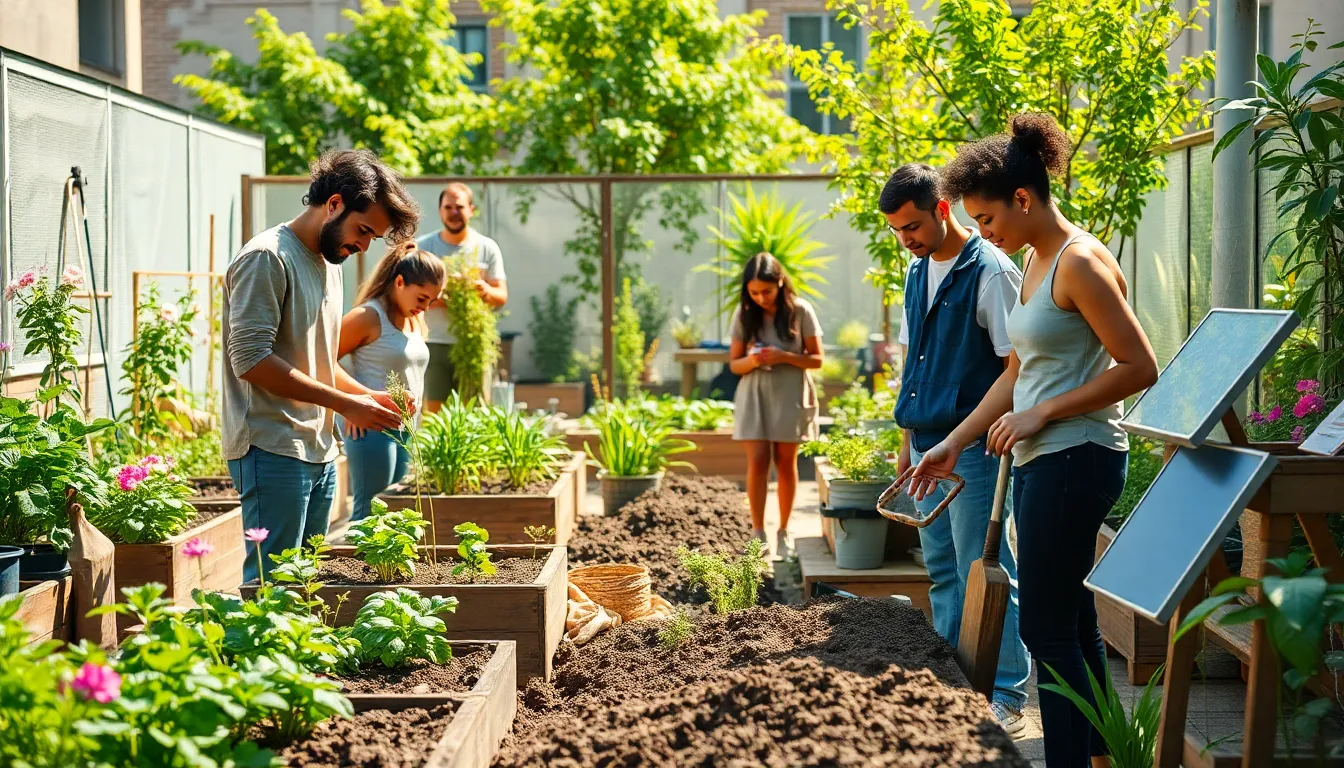
Self sustainable living revolves around the idea that one can meet their own needs without relying on outside sources. It encompasses various practices aimed at reducing dependency on the conventional economy while promoting a harmonious relationship with the environment. At its core, this lifestyle prioritizes local resources and personal initiative. Reducing waste, growing food, and minimizing energy consumption all contribute to a self-sufficient lifestyle.
Also, self sustainable living is not just an individual pursuit. Communities banding together can create networks of shared resources, enhancing resilience against economic or environmental fluctuations. Imagine a world where neighborhoods collaborate to provide fresh produce, tools, or even skills. This vision is not only possible but increasingly adopted as a means to foster stronger communities.
Benefits of Self Sustainable Living
Engaging in self sustainable living offers benefits that stretch beyond personal advantages. Firstly, there’s the environmental impact. By adopting sustainable practices, individuals significantly reduce their carbon footprint. Using renewable energy sources like solar panels or wind turbines promotes cleaner air and less reliance on fossil fuels.
Next, there’s the economic aspect. Growing one’s own food cuts grocery bills drastically, while utilizing DIY methods or upcycling reduces the need for purchasing new products.
Besides, self sustainable living encourages a healthier lifestyle. Consuming fresh, organic produce lowers the risk of health issues often linked with processed foods. Plus, there’s the peace of mind that comes from knowing where your food originates. Let’s not forget the emotional benefits: connecting with nature can elevate mood and instill a sense of purpose. Overall, the benefits of self sustainable living create a ripple effect, positively impacting individuals and the broader community alike.
Key Principles of Self Sustainable Living
Understanding the principles at the heart of self sustainable living is essential for anyone looking to embrace this lifestyle. Firstly, sustainability itself hinges on three key ideas: reduce, reuse, and recycle. Reducing waste involves being mindful of consumption habits while reusing items helps to extend their life cycle. Recycling, on the other hand, ensures that materials are processed correctly and reintegrated into the production cycle.
Secondly, resource management plays a crucial role. Optimizing water and energy use by utilizing rainwater harvesting systems or practicing energy efficiency is vital. Companion planting in gardens can enhance crop yield while promoting biodiversity.
Finally, education and awareness are indispensable. Understanding local ecosystems, agricultural practices, and global sustainability trends empowers individuals to make informed choices that align with their values.
Practical Steps to Achieve Self Sustainable Living
For those ready to immerse, practical steps can transform aspirations into reality. A good starting point is to cultivate a simple vegetable garden. Even small spaces can yield a beet or two, encouraging self-sufficiency in food production.
Composting is another excellent practice: transforming kitchen scraps into nutrient-rich soil promotes a closed-loop system.
Adding solar panels to your home can significantly reduce electricity costs while contributing to an eco-friendly lifestyle. Learning basic DIY skills can also save money and encourage creativity. From repairing a leaky faucet to installing a rainwater collection system, these skills are invaluable. Also, evaluating energy bills regularly and making small changes, like switching to LED bulbs or unplugging devices when not in use, can lead to significant reductions in energy consumption.
Challenges and Solutions in Self Sustainable Living
Although self sustainable living presents many advantages, it’s not without challenges. One common hurdle is the upfront investment in resources, from gardening tools to energy-efficient appliances. But, these costs are often offset over time through savings on groceries and energy bills.
Another challenge is the knowledge barrier. Many individuals may feel disoriented about where to start or how to carry out sustainable living practices. To counteract this, participating in workshops or joining local sustainability groups can provide guidance and foster community support.
Besides, climate-related challenges may affect food production or energy generation. Individuals can address this by diversifying their gardens or investing in adaptive technologies. Whether it’s growing drought-resistant plants or utilizing energy management systems, solutions exist that help mitigate these challenges.
Future of Self Sustainable Living
Looking forward, the potential for self sustainable living seems brighter than ever. Trends indicate a growing interest in sustainability, fueled by an increased awareness of climate change and environmental degradation. Governments and organizations worldwide are promoting policies that prioritize green initiatives and self-sufficient practices. Also, technological advancements in renewable energy and agriculture will likely make self sustainable living more accessible.
From vertical gardens in urban settings to affordable solar solutions for homes, innovation will continue to pave the way. As more individuals choose to embrace self sustainable living, the ripple effects can profoundly impact community resilience and global sustainability efforts.


