

In a world where avocados are more popular than reality TV stars, sustainable agriculture practices are stepping into the spotlight. It’s not just about growing food; it’s about growing it responsibly. Imagine farms that not only feed us but also nurture the planet. Sounds like a dream, right? Well, it’s time to wake up and smell the organic coffee.
Sustainable agriculture isn’t just a buzzword thrown around at eco-friendly brunches. It’s a game-changer that combines innovative techniques with age-old wisdom. From crop rotation to permaculture, these practices are like the superheroes of the farming world, fighting off environmental villains while keeping our plates full. So, buckle up and get ready to explore how these methods can transform the way we eat, live, and protect our precious Earth.
Overview of Sustainable Agriculture Practices
Sustainable agriculture practices focus on maintaining the health of ecosystems while producing food. These methods include crop rotation, which enhances soil quality by preventing nutrient depletion. Cover cropping, a practice that utilizes plants to cover the soil, helps prevent erosion and improves soil fertility.
Integrated pest management (IPM) incorporates biological controls alongside chemical solutions, minimizing pesticide use. Agroforestry combines agriculture and forestry, leading to better biodiversity and improved land use. Conservation tillage reduces soil disturbance, promoting healthier soil structure and higher water retention.
Organic farming avoids synthetic pesticides and fertilizers, prioritizing natural inputs to enhance soil health. This approach promotes biodiversity and can yield healthier produce. Community-supported agriculture (CSA) connects consumers with local farms, ensuring fresh produce while supporting local economies.
Sustainable practices often prioritize water conservation. Techniques such as drip irrigation deliver water more efficiently, reducing waste. Rainwater harvesting systems capture and store rainwater for agricultural use, further supporting sustainability initiatives.
Reducing food waste also plays a crucial role. Implementing practices that minimize waste throughout the supply chain contributes to sustainability. Knowing that approximately 30% to 40% of the food supply is wasted, addressing this issue becomes paramount.
Education and community engagement are vital for the success of sustainable agriculture practices. Programs that inform farmers about the benefits of sustainable methods promote widespread adoption. Encouraging local communities to participate fosters a more resilient food system.
Benefits of Sustainable Agriculture Practices
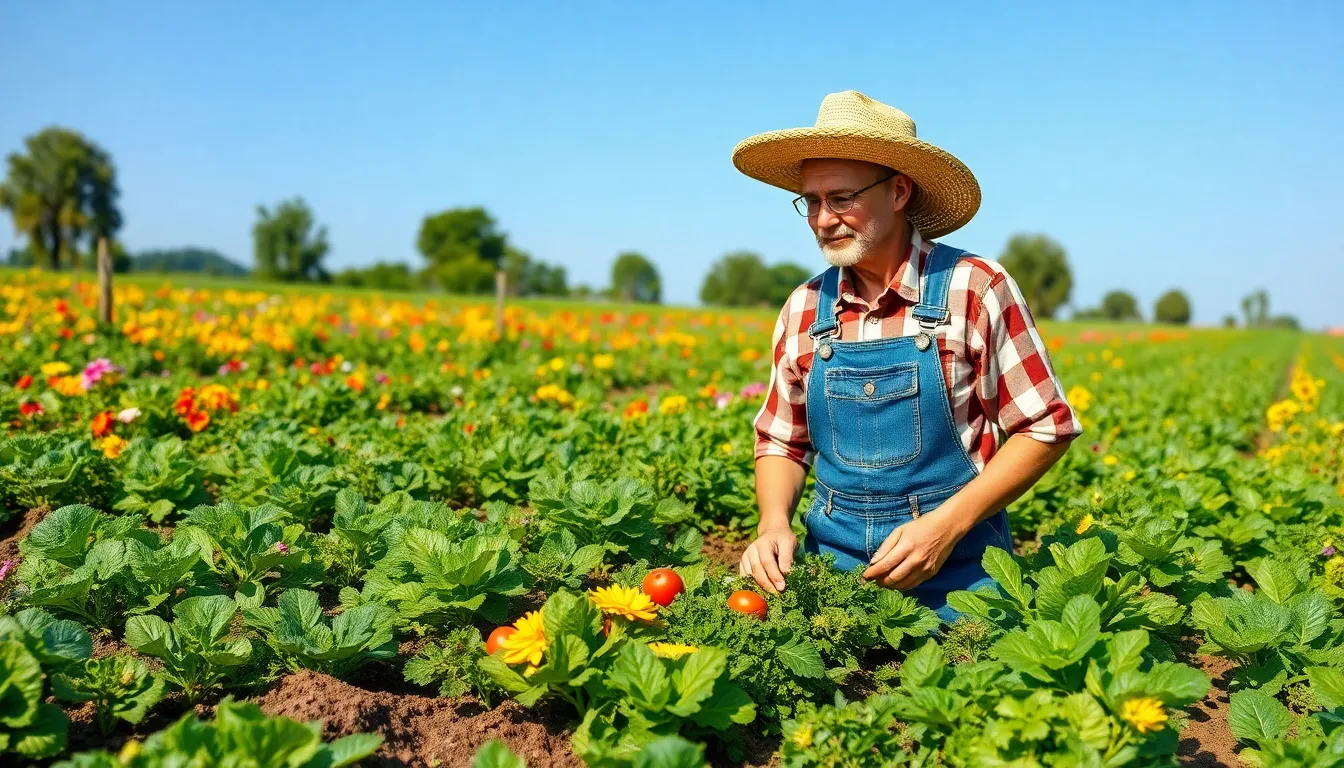
Sustainable agriculture practices offer numerous benefits, enhancing both environmental health and economic stability. These practices create a positive ripple effect that extends beyond farming.
Environmental Impact
Sustainable agriculture significantly lowers greenhouse gas emissions. Implementing methods like agroforestry and cover cropping enhances soil fertility while sequestering carbon. Soil erosion decreases, leading to improved water retention and reduced runoff. Biodiversity thrives due to diverse planting strategies, fostering ecosystems that support various species. Water conservation techniques, such as drip irrigation, minimize water usage and promote healthier plants. By preserving natural habitats, these practices contribute to ecosystem resilience.
Economic Advantages
Sustainable agriculture boosts local economies through job creation. Farmers adopting these methods often experience reduced input costs, such as fertilizers and pesticides. Community-supported agriculture connects consumers directly with local producers, strengthening local economies. Market access increases for sustainably produced goods, appealing to consumers focused on ethical choices. Long-term viability is a key aspect, with improved soil health leading to increased yields over time. Emphasizing sustainable practices encourages innovation and resilience, bringing lasting economic benefits.
Key Techniques in Sustainable Agriculture Practices
Sustainable agriculture encompasses various techniques aimed at enhancing both productivity and ecological balance. These methods not only improve soil health but also foster biodiversity.
Crop Rotation
Crop rotation involves alternating different crops in a specific sequence over time. This technique prevents soil depletion and reduces pest and weed pressures. Diverse crops improve soil structure and fertility by utilizing different nutrients. For example, legumes can fix nitrogen in the soil, benefiting subsequent crops. Implementing crop rotation leads to higher yields and reduces reliance on chemical fertilizers.
Organic Farming
Organic farming emphasizes natural inputs to cultivate crops without synthetic chemicals. It promotes biodiversity by utilizing organic matter, crop rotations, and biological pest control. Farmers often use compost and cover crops to enhance soil fertility and health. Significant benefits include improved soil structure and a reduced ecological footprint. Furthermore, organic farming connects consumers with local food systems, supporting community resilience.
Agroforestry
Agroforestry combines agricultural and forestry practices on the same land. This technique enhances biodiversity and soil health while producing food, timber, and other resources. Trees provide shade, reduce soil erosion, and improve microclimates for crops. Integrating trees with crops or livestock leads to diverse ecosystems that sustain varied species. Employing agroforestry strategies contributes to long-term agricultural sustainability.
Challenges Facing Sustainable Agriculture Practices
Sustainable agriculture faces numerous challenges that affect its implementation and effectiveness. Significant obstacles include climate change and policy barriers, which both shape agricultural practices.
Climate Change
Climate change disrupts weather patterns, impacting agricultural production. Increased temperatures and erratic rainfall can lead to crop failures, threatening food security. Drought and flooding can decrease yields, making it harder for farmers to maintain consistent output. Additionally, shifting pest and disease patterns may further strain farmers as they adapt to new threats. Addressing these challenges requires resilient farming techniques and adaptive strategies to safeguard food systems and ecosystems.
Policy Barriers
Policy barriers hinder the adoption of sustainable agriculture practices. Inconsistent regulations and lack of support can create uncertainty for farmers. Financial incentives for traditional farming often overshadow sustainable practices, discouraging their use. Limited access to resources can also impede the implementation of sustainable methods. Promoting policies that support environmentally friendly practices boosts farmer participation and encourages sustainable transitions in agriculture.
Sustainable agriculture stands as a vital approach to addressing today’s pressing environmental and food security challenges. By embracing practices that prioritize ecosystem health and community engagement, farmers can create a more resilient food system. Each method contributes not only to soil fertility and biodiversity but also to economic stability for local communities.
As awareness grows around the importance of sustainable practices, individuals and policymakers alike must support these efforts. Investing in education and innovative solutions will pave the way for a future where agriculture thrives in harmony with nature. The journey towards sustainability is ongoing and requires collective action to ensure a healthier planet for generations to come.


