
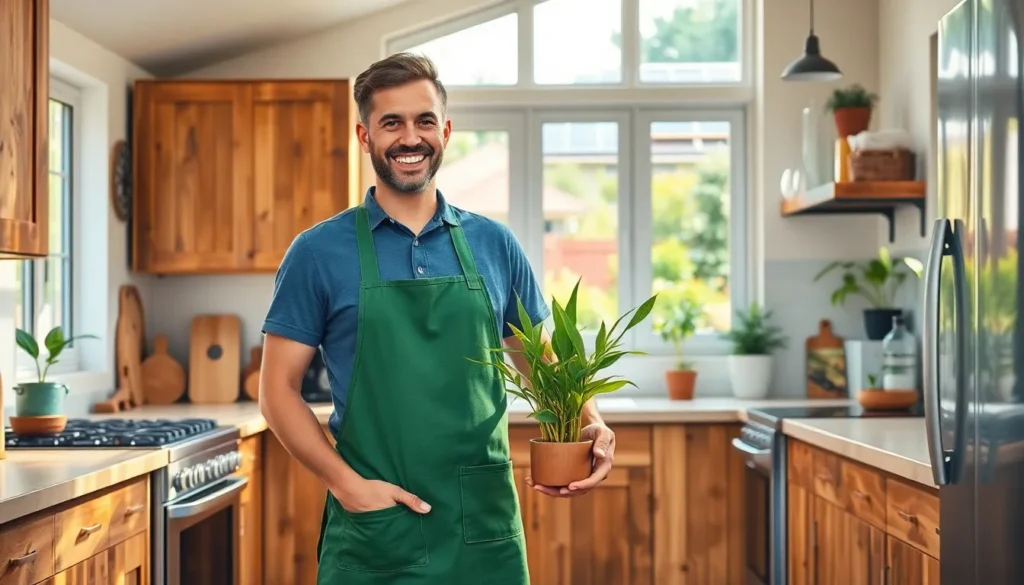
In a world where the planet’s health feels like a never-ending episode of a reality show, sustainable home improvement is the plot twist everyone needs. Imagine turning your humble abode into an eco-friendly sanctuary that not only looks good but also feels good. It’s like giving Mother Nature a high-five while sipping organic lemonade on your new solar-powered deck.
Understanding Sustainable Home Improvement
Sustainable home improvement encompasses eco-friendly practices that enhance living spaces while minimizing environmental impact. Focusing on these methods leads to healthier homes and a more sustainable future.
Definition and Importance
Sustainable home improvement refers to the use of environmentally responsible materials and techniques in home renovations and upgrades. Prioritizing sustainability helps reduce energy consumption, waste, and pollution. Adopting these practices addresses climate change and promotes resource conservation. Informed choices about building materials and energy-efficient systems play a crucial role in decreasing a home’s carbon footprint. By committing to sustainable improvement, homeowners contribute significantly to a cleaner planet.
Benefits of Sustainability in Home Design
Embracing sustainability in home design offers multiple advantages. Enhanced energy efficiency leads to lower utility bills and decreases reliance on non-renewable energy sources. Improved indoor air quality benefits residents by reducing allergens and pollutants. Sustainable designs often increase property value, attracting environmentally conscious buyers. Utilizing durable materials ensures longevity and reduces the need for frequent replacements. Finally, responsible design choices foster a sense of connection with nature, enriching the living experience while promoting environmental stewardship.
Key Elements of Sustainable Home Improvement
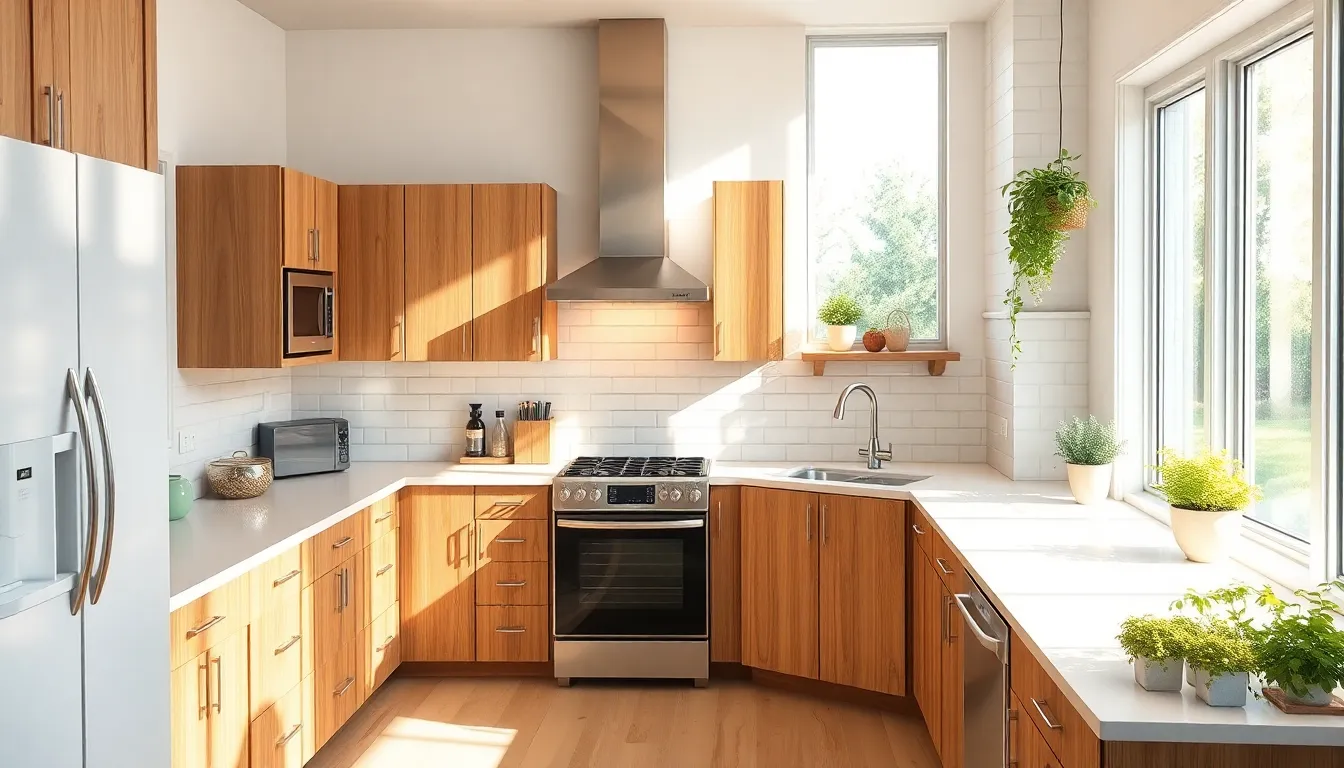
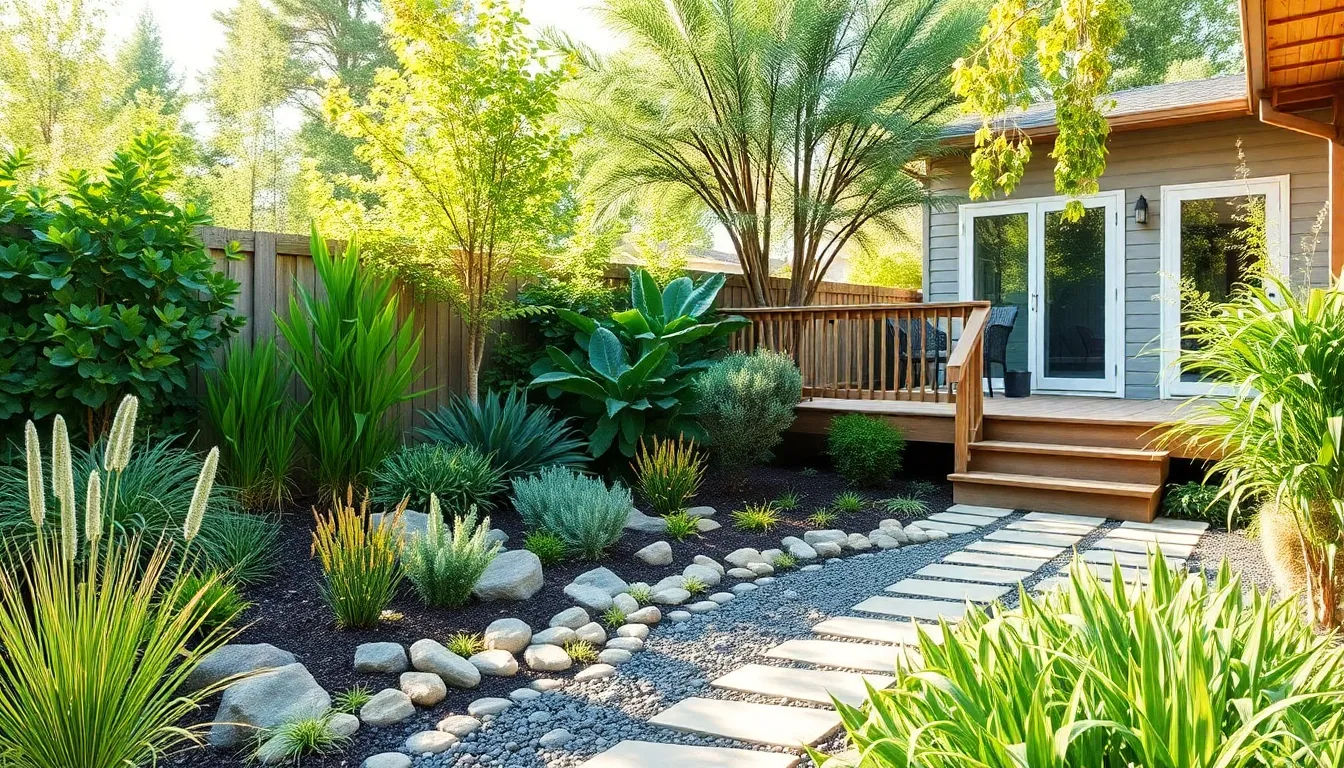
Sustainable home improvement focuses on essential aspects that contribute to eco-friendly living. Energy efficiency, sustainable materials, and eco-friendly landscaping play critical roles in creating a greener home.
Energy Efficiency
Energy efficiency reduces utility costs while minimizing environmental impact. Homeowners can install energy-efficient appliances that consume less electricity, leading to lower energy bills. Utilizing LED lighting improves energy consumption compared to traditional bulbs, providing significant savings over time. Incorporating proper insulation and energy-efficient windows helps maintain indoor temperatures, decreasing reliance on heating and cooling systems. Strategies such as using programmable thermostats can further optimize energy usage, delivering additional cost benefits.
Sustainable Materials
Sustainable materials enhance home improvements while protecting natural resources. Homeowners often choose reclaimed wood for flooring or cabinetry, reducing the demand for new timber. Bamboo, a rapidly renewable resource, serves as an excellent material option for furniture and flooring. Additionally, low-VOC paints contribute to better indoor air quality by emitting fewer harmful chemicals. By sourcing local materials, homeowners can further minimize their carbon footprint associated with transportation.
Eco-Friendly Landscaping
Eco-friendly landscaping creates beauty while promoting sustainability. Native plants require less water, fertilizer, and maintenance, making them ideal for outdoor spaces. Implementing rain gardens captures stormwater runoff, alleviating drainage issues and promoting groundwater recharge. Xeriscaping, a landscaping method designed to conserve water, involves using drought-resistant plants to minimize irrigation needs. Homeowners benefit from reduced maintenance and utilities while fostering a habitat for local wildlife through these practices.
Popular Sustainable Home Improvement Projects
Sustainable home improvement projects can transform living spaces while benefiting the environment. Several popular options make homes more eco-friendly and efficient.
Solar Panel Installation
Solar panel installation stands out as a significant investment for sustainable energy. Homeowners can reduce reliance on fossil fuels by harnessing solar energy. Innovative technologies, such as photovoltaic systems, convert sunlight into electricity, cutting utility costs. On average, solar panels can save homeowners over $1,000 annually on energy bills. Additionally, federal tax credits and local incentives often encourage this eco-friendly upgrade, enhancing its financial appeal.
Rainwater Harvesting Systems
Implementing rainwater harvesting systems captures and utilizes rainwater for various household needs. These systems can significantly reduce water consumption while providing irrigation for gardens and landscaping. By installing a rain barrel or a more extensive collection system, homeowners decrease their reliance on municipal water sources. Statistics show that a single rain barrel can collect around 1,300 gallons of water in a year from a typical roof. This practice not only conserves water but also mitigates stormwater runoff, supporting local ecosystems.
Energy-Efficient Windows
Energy-efficient windows offer a practical solution for improving a home’s thermal performance. They feature advanced glazing technology that minimizes heat transfer, which leads to reduced energy usage. Properties can benefit from enhanced comfort and lower heating and cooling costs. Homeowners report savings of up to 30% on their energy bills after upgrading to energy-efficient windows. Furthermore, many models qualify for energy efficiency tax credits, making them an attractive investment for sustainable home improvement.
Challenges of Implementing Sustainable Practices
Sustainable home improvement presents several challenges. Homeowners often encounter obstacles when incorporating eco-friendly solutions into their renovation plans.
Initial Costs
Initial costs represent a significant barrier. Many sustainable materials and technologies feature higher upfront prices than conventional options. For example, energy-efficient windows may cost approximately 10 to 15% more than standard windows. Despite this, their long-term savings on energy bills frequently outweigh initial expenses. Additionally, homeowners can leverage financial incentives, including tax credits and grants, to offset these costs. Understanding budget impacts encourages informed decisions that benefit both finances and the environment.
Finding Qualified Professionals
Finding qualified professionals poses another challenge. Experienced contractors specializing in sustainable practices are often limited in availability. Homeowners might struggle to identify individuals or companies with the necessary expertise in eco-friendly renovations. Conducting thorough research benefits the homeowner’s project. Networking with local green building organizations can connect individuals with reputable professionals who are well-versed in sustainable practices. Ensuring certification, such as LEED accreditation, in potential hires enhances the likelihood of successful project outcomes.
Embracing sustainable home improvement is more than just a trend; it’s a commitment to creating healthier living spaces and a better planet. By integrating eco-friendly practices into home renovations, homeowners can enjoy both aesthetic and environmental benefits. The journey towards sustainability not only enhances property value but also fosters a deeper connection with nature.
While challenges like initial costs and finding skilled professionals exist, the long-term advantages far outweigh these hurdles. With the right approach and resources, transforming a home into an eco-friendly haven is achievable. Every small step taken contributes to a larger movement towards sustainability, making a significant impact on future generations.


