
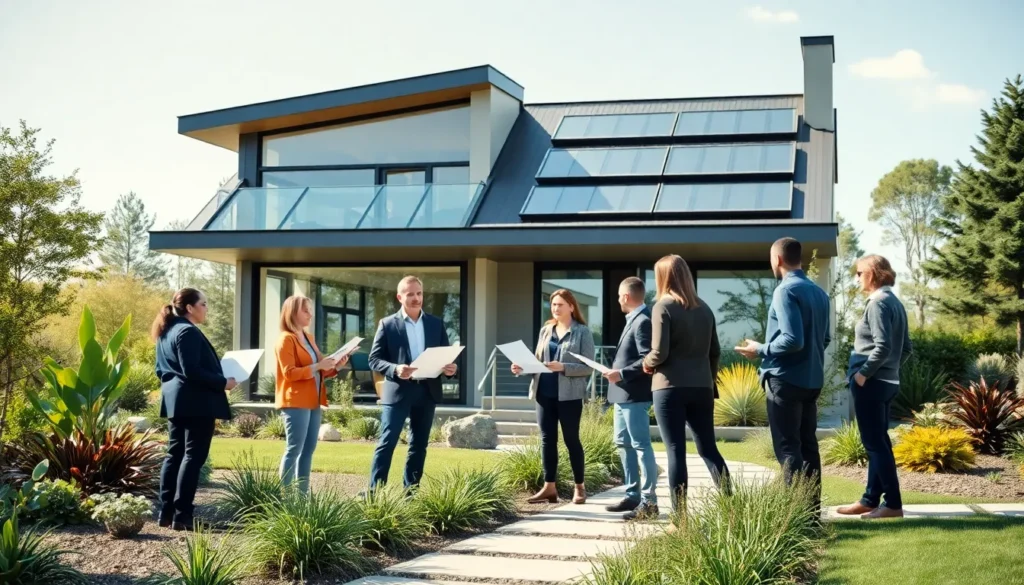
Ever wondered what it takes to build a home that’s good for you and great for the planet? Enter sustainable living builders, those eco-wizards conjuring up energy-efficient abodes that Mother Nature herself would approve of. In a world where your average carbon footprint resembles that of a small elephant, these builders step in with designs that harmonize human comfort and environmental responsibility. So, let’s jump into the realm of sustainable living and discover how these innovators are reshaping our homes and our future.
Understanding Sustainable Living
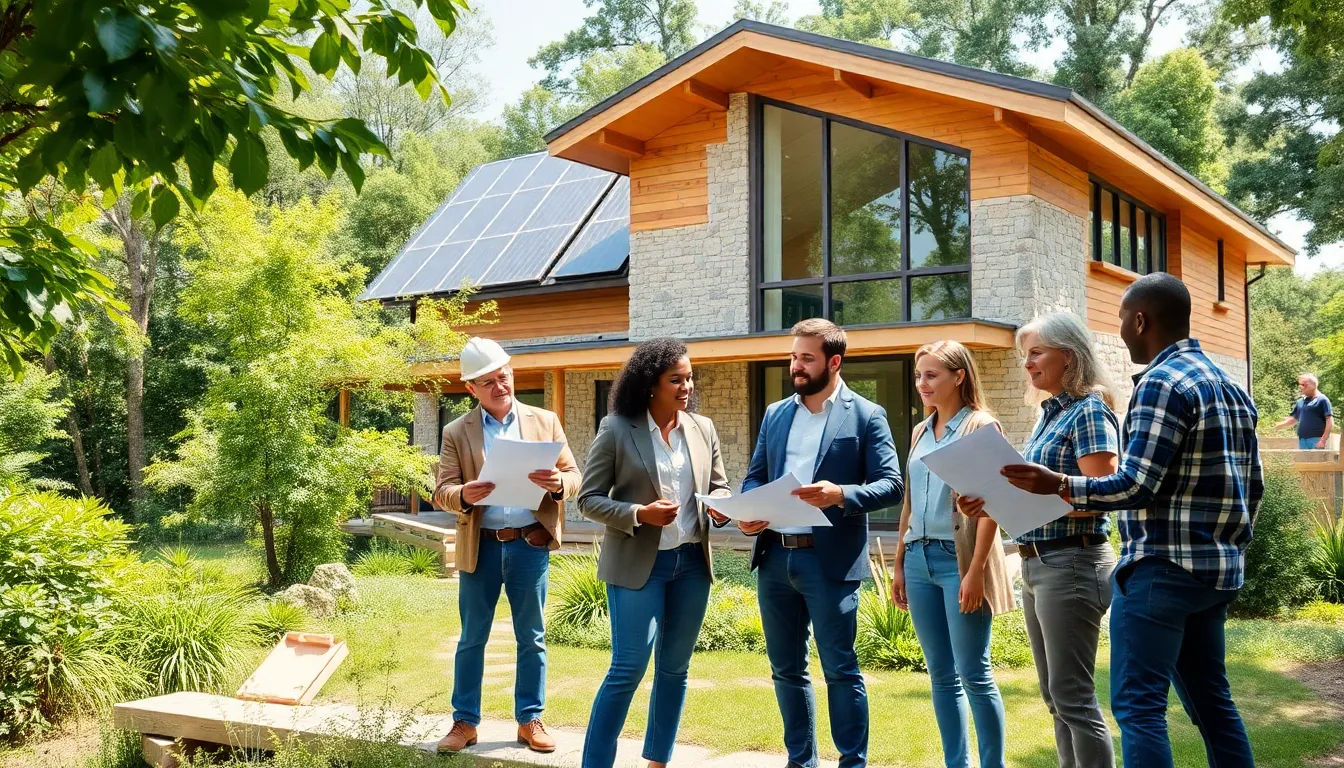
Sustainable living refers to a lifestyle that seeks to minimize an individual’s or society’s use of the Earth’s natural resources. People adopting this lifestyle focus on reducing consumption, waste, and pollution. They opt for renewable resources, energy-efficient practices, and eco-friendly products in their everyday lives. Sustainable living isn’t just a fad: it’s a necessary shift towards preserving our environment for future generations. When it comes to building a home, sustainable living gets even more specific. This means selecting materials, technologies, and methods that lessen impact on our planet while maximizing comfort and efficiency.
The Importance of Sustainable Building Practices
Why is sustainable building important? Besides making your conscience feel warm and fuzzy, sustainable practices help conserve resources, reduce environmental degradation, and lower utility costs. Consider this: buildings account for nearly 40% of global energy consumption. By designing homes that use resources more efficiently, we can drastically reduce this percentage. Sustainable building practices include using local materials, which decreases transportation emissions, and implementing energy-efficient systems like solar power and geothermal heating. These aren’t just buzzwords: they’re fundamental for a healthier planet.
Key Features of Sustainable Homes
Sustainable homes come with a set of distinctive features that set them apart:
- Energy Efficiency: Homes designed with energy conservation in mind often include high-quality insulation, energy-efficient windows, and solar panels.
- Sustainable Materials: Builders focus on materials that are either recycled or sourced sustainably. Bamboo, reclaimed wood, and non-toxic finishes hallmark a truly eco-friendly space.
- Water Efficiency: Rainwater harvesting systems and low-flow fixtures can significantly reduce water usage, addressing another critical environmental issue.
- Smart Technology: Incorporating smart home technology allows homeowners to monitor and adjust energy use in real-time, promoting an interactive experience with energy consumption.
Choosing the Right Sustainable Living Builder
Selecting a sustainable living builder can seem daunting, but it doesn’t have to be. Start by researching builders in your area who specialize in eco-friendly construction. Look for certifications like LEED (Leadership in Energy and Environmental Design) which indicate a commitment to sustainability. Another tip? Check out their past projects. A reputable builder will gladly showcase their work, demonstrating the effectiveness and beauty of their designs. Asking for references can also provide insight into their methodology and reliability. Eventually, you’re looking for someone who aligns with your vision of sustainability.
Case Studies of Successful Sustainable Living Projects
To illustrate the impact of sustainable builders, consider some successful projects:
- The Zero Energy House: Completed in Austin, Texas, this innovative home utilizes solar panels and high-efficiency appliances, achieving net-zero energy usage annually. The owners not only enjoy lower energy bills but also contribute positively to the grid.
- The Green Roof Project in Brooklyn: A multi-family dwelling that incorporated green roofs, which serve to reduce heat island effect and improve air quality in the community. Residents benefit from aesthetics and environmental improvements alike.
- Earth Sheltered Home: Located in Colorado, this home is built into the earth, reducing heating costs significantly in winter and keeping the house cool in summer. It effectively utilizes the surrounding environment to minimize energy use.
The Future of Sustainable Building and Living
The future of sustainable building looks promising as technology evolves and environmental awareness increases. Innovations in materials, like hempcrete, a sustainable alternative to traditional concrete, are on the rise. Also, 3D printing for constructing homes could revolutionize the building process by reducing waste and labor costs. Urban areas are likely to see increased integration of green spaces and smart city concepts, making eco-friendly living more accessible than ever. As consumers demand more sustainable options, the construction industry will have to adapt, fostering a culture of innovation and responsibility.


