

Ever wondered what that little ping on your iPhone means when it alerts you about a tracking notification? It’s not your phone trying to spill the beans on your shopping habits—though it might feel like it at times. Instead, it’s your trusty device keeping you in the loop about apps that want to know where you are.
In today’s world of constant connectivity, privacy is the new black. Apple’s tracking notifications are here to help users stay informed and in control of their location data. They’re like a friendly neighborhood watch, ensuring apps don’t sneak around without your permission. So buckle up as we dive into the ins and outs of tracking notifications, and discover how they empower users to reclaim their privacy while navigating the digital landscape.
Understanding Tracking Notifications
Tracking notifications serve as alerts that inform users when an app accesses their location data. Users receive these notifications as part of Apple’s commitment to privacy, ensuring that individuals stay aware of their personal information’s accessibility. Upon launching an app that requires location access, users see a prompt that details which app is requesting this data.
These notifications enhance user control over privacy settings. With each alert, users can decide whether to allow or deny permission for apps to access their location. For example, if a navigation app requests location data, users may choose to grant access for accurate driving directions, while opting to deny access for a shopping app that does not require it.
Notably, tracking notifications contribute to a broader transparency initiative within the tech industry. Apple prioritizes user privacy by integrating these notifications into iOS, empowering individuals to make informed choices about their data. Furthermore, users can manage location settings directly from the notifications, providing a straightforward way to adjust permissions without navigating through multiple settings menus.
Ultimately, tracking notifications reflect a shift toward greater accountability among app developers. By alerting users about location access, these notifications cultivate a sense of trust and security. As awareness of privacy issues increases, tracking notifications play a crucial role in safeguarding personal information against unauthorized access.
How Tracking Notifications Work
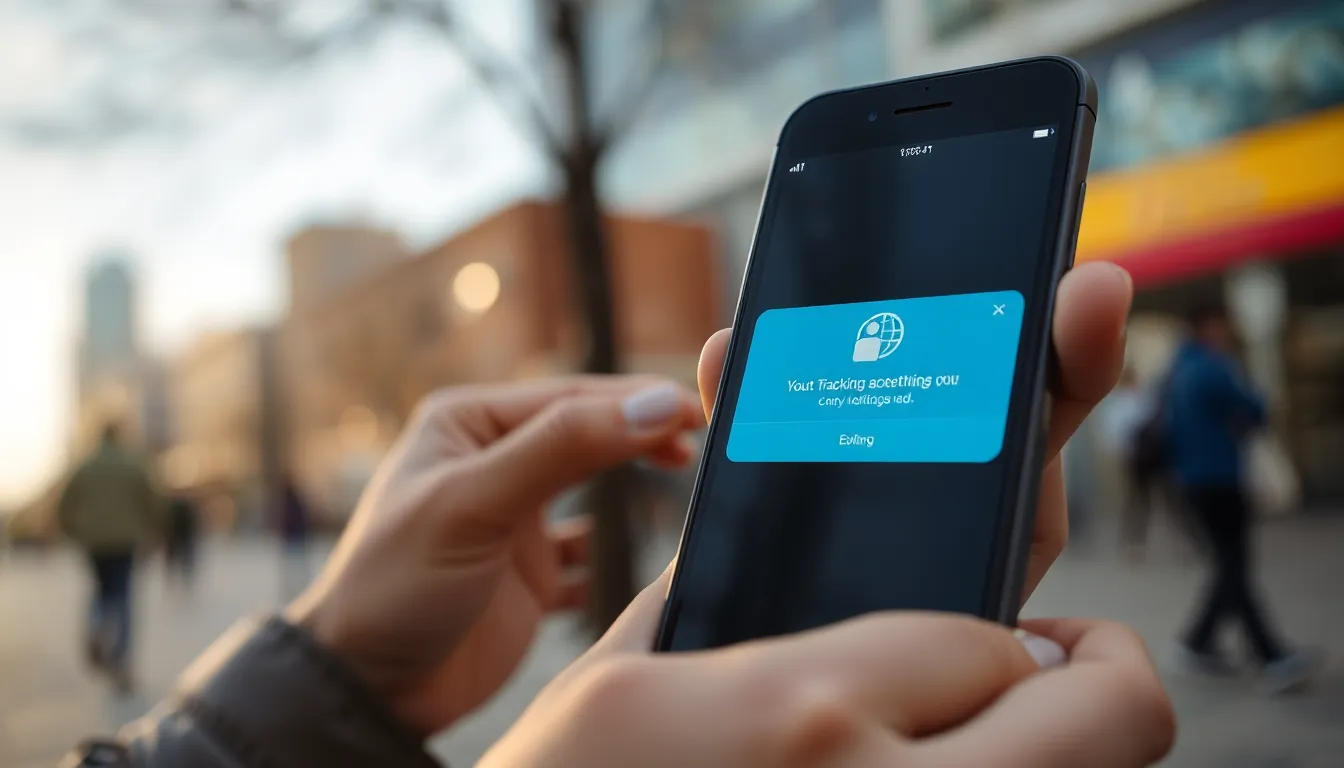
Tracking notifications inform users when apps seek access to location data. These alerts leverage system-level privacy features integrated into the iOS framework, ensuring oversight for users.
The Technology Behind Tracking Notifications
Apple employs advanced algorithms that detect and manage location requests in real-time. This technology utilizes secure communication protocols, protecting user data during transmission. Notifications display specifically when an app attempts to access location services, giving users immediate insight into data requests. The system relies on user consent, meaning that each notification stems from an app’s request for permission.
Types of Tracking Notifications
iPhones generate various types of tracking notifications based on user interaction. Permanent notifications indicate apps continually accessing location data, while temporary notifications surface when apps use locations for brief periods, such as for navigation. Additionally, background location notifications alert users when apps access location while not in use. Each type serves to enhance user awareness and control over personal data access, fostering informed decision-making when it comes to privacy settings.
Importance of Tracking Notifications
Tracking notifications play a vital role in user experience by promoting awareness of location data access. Users gain insight into which apps request location information, enabling informed decisions regarding privacy.
Enhancing User Awareness
Users receive notifications promptly when apps seek location access. They understand when and why apps access their location data. For example, a user might notice a notification from a weather app needing location access for accurate forecasts. Alerts foster an understanding of app behaviors, encouraging proactive engagement with privacy settings. Users can tailor permissions based on specific needs, enhancing their control over personal information.
Privacy and Security Considerations
Privacy remains a core concern as technology evolves. Tracking notifications inform users of potential vulnerabilities stemming from app access to location data. This transparency builds a safer digital environment. Unauthorized access risks diminish when users are aware of data requests. Developers must adhere to higher accountability standards, ensuring that access to location information serves clear, legitimate purposes. Prioritizing user consent creates a more secure framework where privacy protections flourish.
How to Manage Tracking Notifications on iPhone
Managing tracking notifications on an iPhone empowers users to control their privacy effectively through straightforward settings adjustments.
Adjusting Notification Settings
To modify notification settings, users access the Privacy section within the Settings app. Here, the Location Services option provides various controls for specific apps. Users can choose to allow location access while using the app, limit it to only when the app is open, or deny it completely. The precise permissions equipped in this section enhance user control over their data. Notifications show on the device whenever there is a request from any app. Adjustments to these settings optimize how users interact with tracking notifications, ensuring that users only receive alerts relevant to their preferences.
App-Specific Tracking Notifications
App-specific tracking notifications provide tailored alerts, enhancing user awareness about which apps request location data. Each app may generate a unique notification based on its access needs. For example, a navigation app may consistently request location access, while a weather app might only require it at certain times. Users can review these notifications and respond accordingly by adjusting permissions for individual apps. Understanding each app’s tracking notifications helps users make informed decisions, tailoring privacy settings to align with personal comfort levels. This individual approach fosters better data management, ensuring that users retain control over their location information.
Tracking notifications on iPhones play a vital role in enhancing user privacy and control over location data. By providing real-time alerts when apps request access to location information, these notifications empower users to make informed decisions about their privacy settings. This transparency not only fosters trust between users and app developers but also encourages a proactive approach to managing personal data.
As users navigate a digital landscape where privacy concerns are increasingly prominent, tracking notifications serve as an essential tool for maintaining security. With the ability to customize permissions and stay informed about data access, individuals can safeguard their personal information more effectively. Ultimately, tracking notifications reflect a significant step toward greater accountability and user empowerment in the tech industry.


